김무진은 애니메이션의 프레임과 서사 구조를 통해 기술적 매체와 인간 감각 사이의 접점을 기록한다. 그녀는 움직이는 이미지의 층위를 해체하고 재구성하며, 디지털 환경 속의 불연속적인 이미지들을 연결해 시간과 지각의 변화를 영상 언어로 구현하는 작업을 지속하고 있다.
Moojin Kim records the intersection of technological media and human sensation through the frames and narrative structures of animation. By deconstructing and reconfiguring the layers of moving images, she connects discontinuous digital fragments to implement changes in time and perception into a visual language.
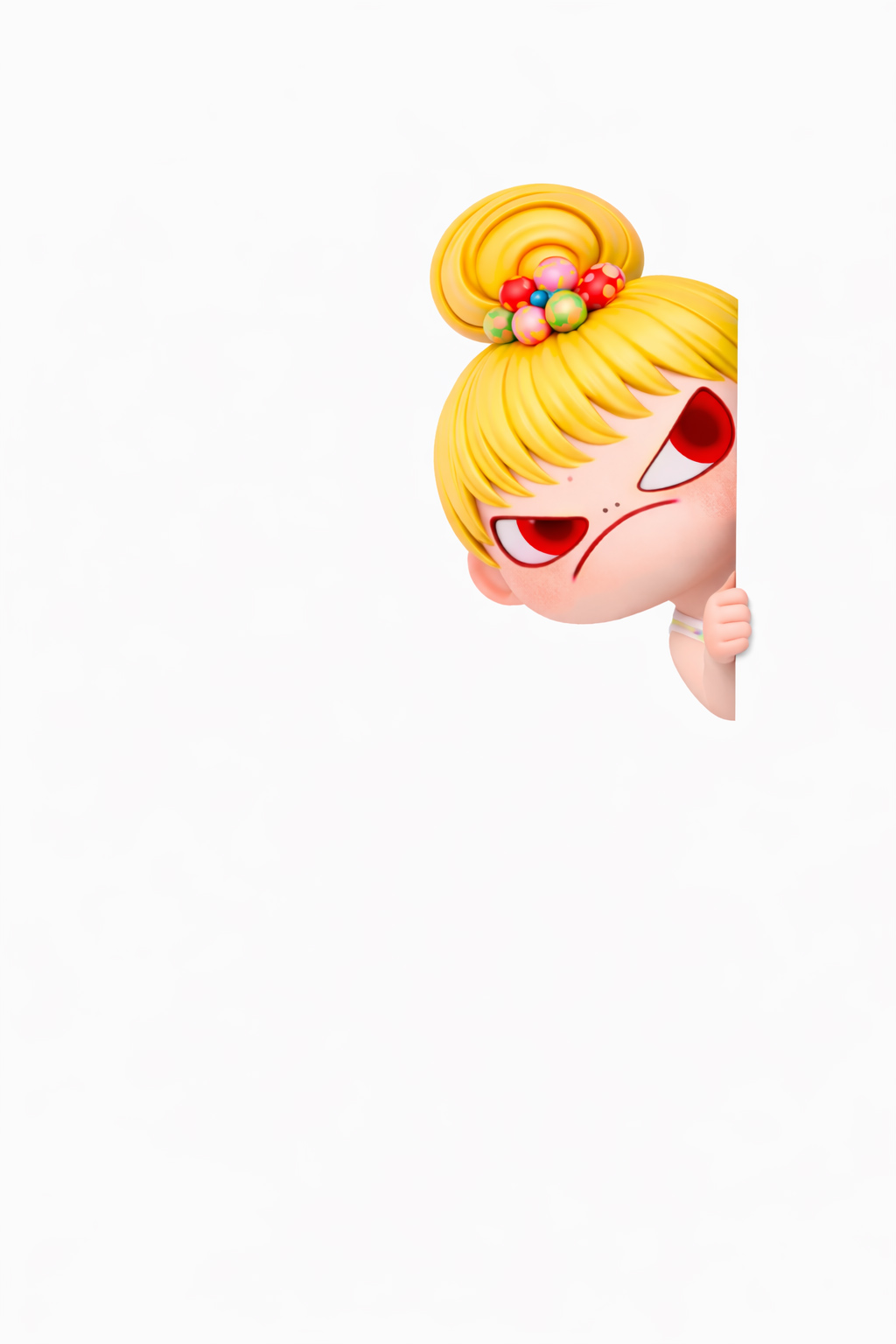
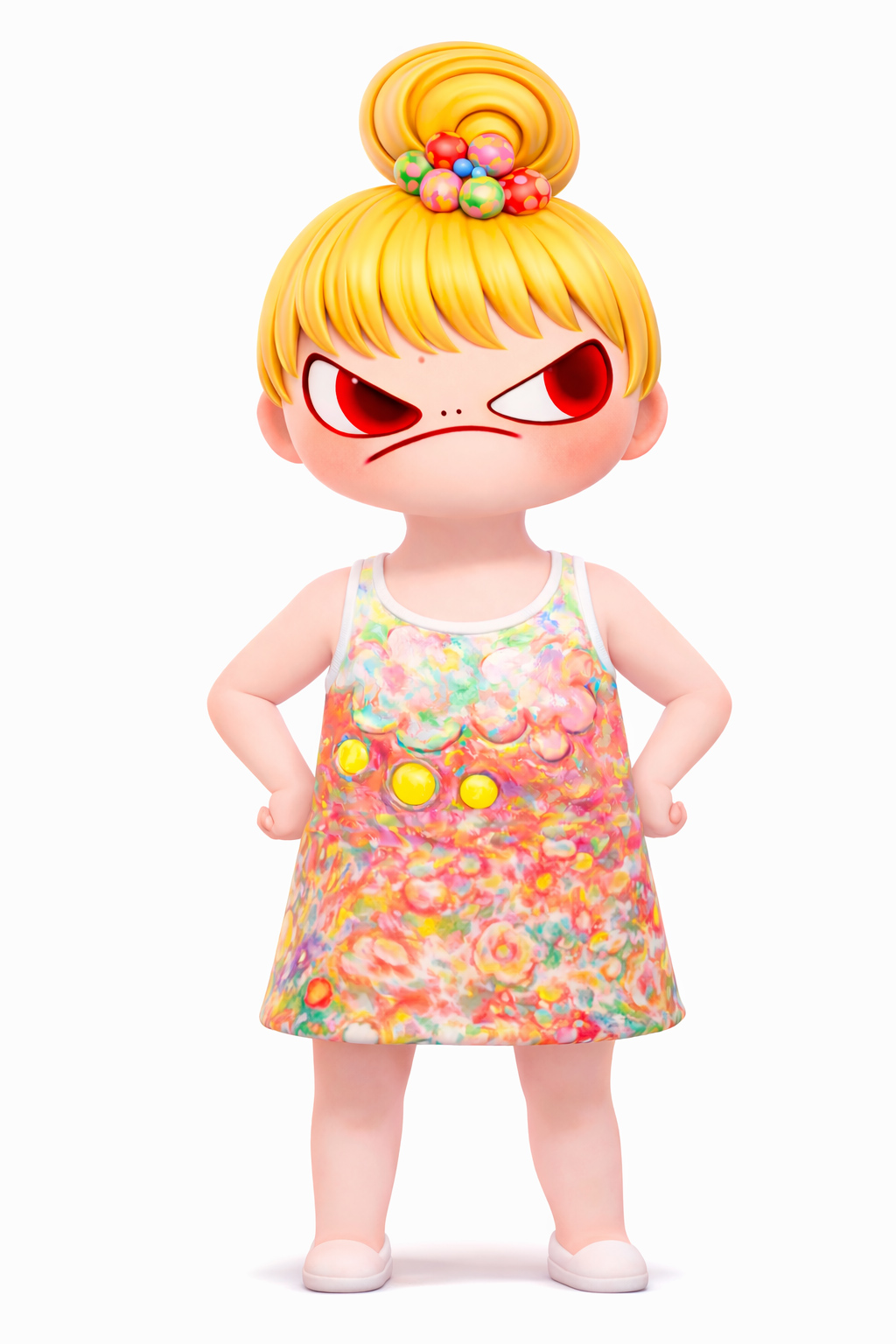
본 작업은 잠든 아이를 중심으로 현실과 상상 세계가 교차하는 순간을 시각적으로 구현한 애니메이션이다. 정적인 신체와 그 주변에서 발생하는 비현실적 존재들의 움직임을 대비시키며, 무의식 속 상상력이 하나의 공간을 구성하는 과정을 표현하는 데서 출발했다.
전시 데이터에서 도출된 ‘상상력’, ‘어린이성’, ‘비현실적 존재’, ‘감정의 시각화’ 등의 키워드를 기반으로 작업을 구성했다. 전시의 시각적 특징을 직접 재현하기보다 감각적 언어와 정서적 흐름을 애니메이션으로 번역하는 방식으로 접근했다.
주목한 요소
어린아이의 시선, 현실과 비현실의 경계, 감정 중심의 시각 언어, 캐릭터의 색감과 질감이 가지는 정서적 의미에 주목했다.
전시를 해석하고 번역한 방식
전시에서 나타나는 자유로운 형태와 직관적인 색채를 캐릭터 디자인, 공간 연출, 조명 변화로 재해석했다. 서사 중심 구조가 아닌 감정의 흐름을 중심으로 장면을 구성했다.
해당 형식을 선택한 이유
애니메이션은 시간성과 움직임을 통해 감정을 효과적으로 전달할 수 있는 매체라고 판단했다. 특히 미세한 움직임과 조명 변화, 등장과 소멸의 타이밍이 중요한 본 작업의 특성상 영상 형식이 적합하다고 보았다.
제작과정
1. 전시 데이터 분석 및 키워드 추출 캐릭터 및 세계관 설정 (아이, 요정, 그림자 존재) 2. 스토리보드 및 콘티 구성 (감정 흐름 중심)
3. AI 기반 이미지 생성 및 스타일 정리
4. 이미지 시퀀스 구성 및 애니메이션 제작
5. 편집 및 색보정, 장면 전환 조정
6. 최종 영상 출력
기술적 설명
사용 툴 및 워크플로우
사용 툴: ChatGPT, Gemini, Kling AI, Midjourney, CapCut
AI 이미지 생성 → 이미지 선별 및 보정 → 시퀀스 구성 → 영상 편집 및 합성 → 최종 출력
이미지 / 영상 / 텍스트 생성 방식
텍스트 프롬프트를 기반으로 이미지를 생성하고, 반복 생성 및 선택 과정을 통해 캐릭터와 배경의 일관성을 유지했다. 생성된 이미지를 시퀀스 형태로 배열해 영상으로 구성했다.
편집 및 후반 작업 과정
컷 간 자연스러운 전환을 위해 페이드와 디졸브를 사용했으며, 밝기와 색보정을 통해 장면의 감정 톤을 조절했다. 명암 대비를 활용해 현실과 비현실의 구분을 시각적으로 강화했다.
This work is an animation that visually renders the moment in which reality and the imaginary intersect, centered on a sleeping child. It begins with a contrast between the stillness of the child’s body and the movement of unreal entities that emerge around it, expressing the process by which imagination within the unconscious constructs a singular space.
The work is structured around keywords derived from the exhibition dataset, including “imagination,” “childlike sensibility,” “unreal beings,” and “visualization of emotion.” Rather than directly reproducing the exhibition’s visual elements, the approach translates its sensory language and emotional flow into animation.
Key Points of Focus
Particular attention was given to the perspective of a child, the boundary between reality and the unreal, an emotion-centered visual language, and the affective qualities conveyed through the color and texture of characters.
Method of Interpretation and Translation
The free forms and intuitive use of color observed in the exhibition were reinterpreted through character design, spatial composition, and shifts in lighting. Instead of a narrative-driven structure, the scenes were composed around the flow of emotion.
Rationale for the Chosen Format
Animation was selected as the medium for its capacity to effectively convey emotion through temporality and movement. Given the importance of subtle motion, lighting transitions, and the timing of appearance and disappearance in this work, the video format was considered particularly appropriate.
Production Process
- Analysis of exhibition data and extraction of key keywords; establishment of characters and world-building (child, fairy, shadow entities)
- Development of storyboard and animatic (focused on emotional flow)
- AI-based image generation and stylistic refinement
- Construction of image sequences and animation production
- Editing, color grading, and adjustment of scene transitions
- Final video output
Technical Description
Tools and Workflow
- Tools: ChatGPT, Gemini, Kling AI, Midjourney, CapCut
- Workflow: AI image generation → image selection and refinement → sequence construction → video editing and compositing → final output
Image / Video / Text Generation Method
Images were generated based on text prompts, and consistency in characters and backgrounds was maintained through iterative generation and selection. The resulting images were arranged in sequence to form the animation.
Editing and Post-production
Fade and dissolve transitions were used to ensure smooth continuity between cuts. Brightness and color grading were adjusted to control the emotional tone of each scene, while contrasts in light and shadow were employed to visually reinforce the distinction between reality and the imaginary.