나은혜는 보이지 않지만 실재하는 것들에 대한 작업을 이어오고 있다. 사랑, 감정, 관계와 같은 비가시적 요소들이 인간의 삶과 세계를 형성하는 실재적인 힘이라는 관점에서, 이를 감각적으로 드러내는 작업을 전개해왔다. 최근에는 이러한 시선을 동시대의 기술 환경 속으로 확장하여, 그 안에서도 동일하게 작동하는 보이지 않는 것들을 감각적으로 드러내는 작업을 이어가고 있다.
Eunhye NA explores things that are not visible yet undeniably real. From the perspective that intangible elements such as love, emotion, and relationships act as real forces shaping human life and the world, he has developed works that render them perceptible through sensory forms. Recently, he has extended this perspective into the contemporary technological environment, revealing the same unseen forces that continue to operate within it through sensory experience.
작업의 기본 개념과 출발점
본 작업은 기술을 둘러싼 흑백논리, 즉 기술을 경계하거나 배제해야 할 대상으로 보거나 반대로 무조건적으로 긍정해야 할 대상으로 보는 이분법적 태도에 대한 문제의식에서 출발한다. 기술은 더 이상 인간 바깥에 존재하는 낯선 대상이 아니라, 이미 인간의 삶과 환경 속 깊이 들어와 있는 조건이다. 따라서 중요한 것은 기술을 배제할 것인가, 혹은 무조건 수용할 것인가가 아니라, 기술을 어떤 태도와 리듬으로 다루며 살아갈 것인가이다.
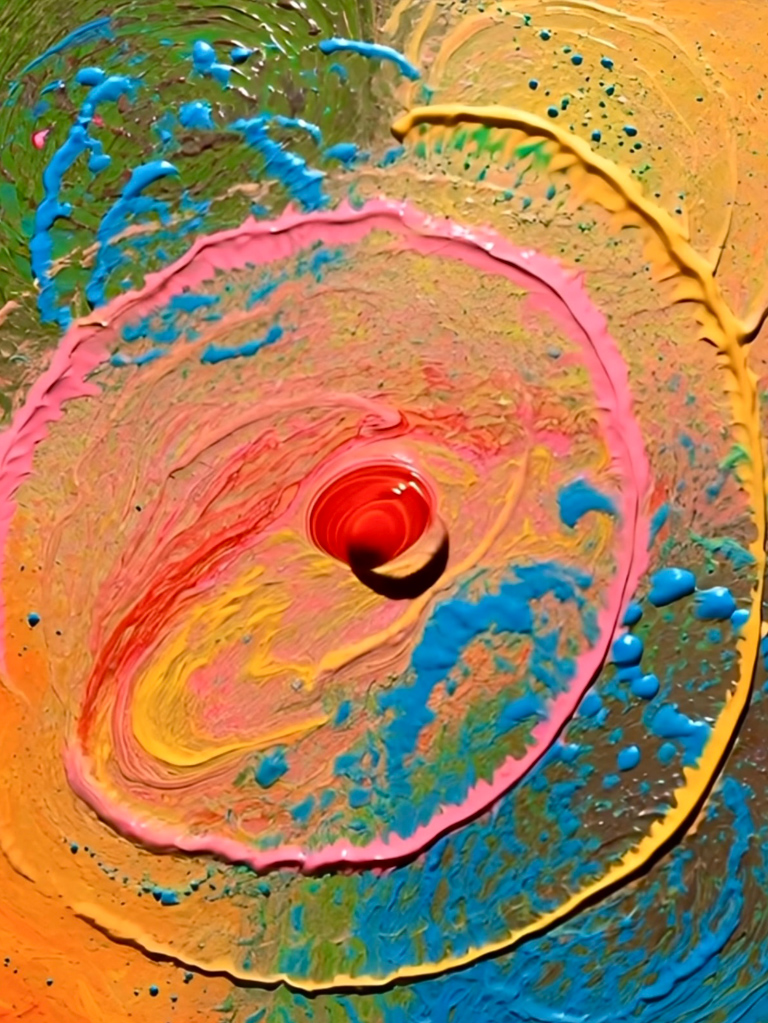
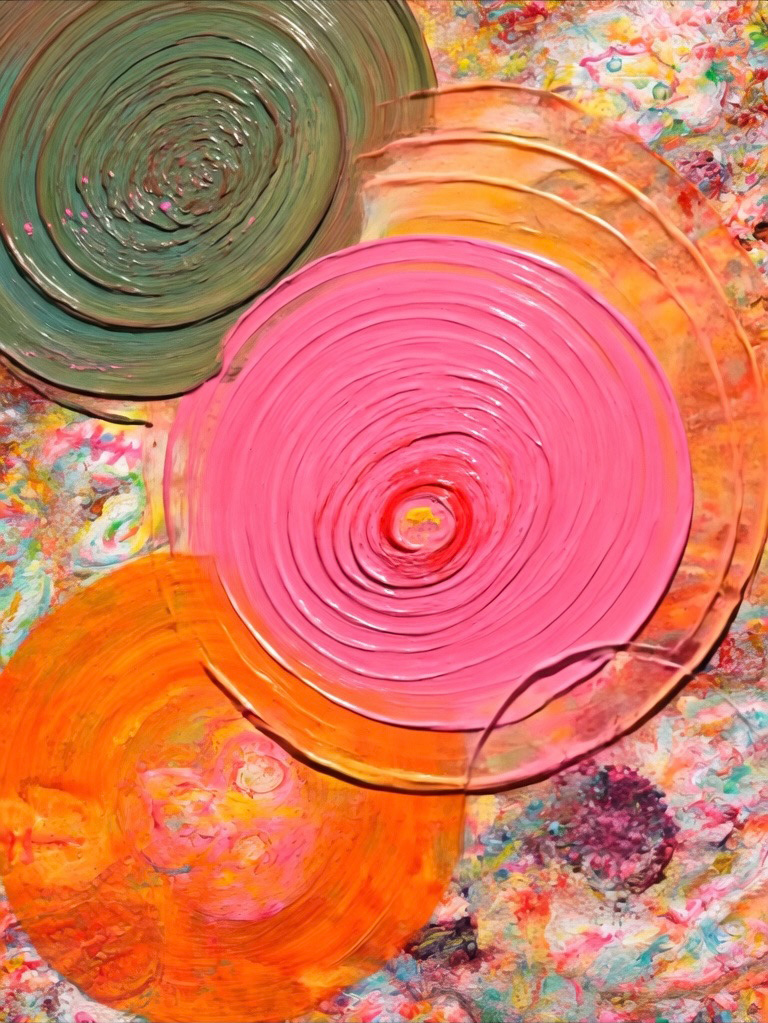
본 작업은 이 질문을 하나의 고정된 주장으로 제시하기보다, 전시 데이터를 기반으로 한 이미지의 생성, 긴장, 과열, 순환, 균형의 과정을 통해 감각적으로 제안한다. 작업 제목 The Rhythm We Choose는 바로 이 지점을 가리킨다. 기술의 방향은 기술 자체에 의해 자동적으로 결정되는 것이 아니라, 그것을 대하는 인간의 태도와 선택된 리듬에 의해 달라질 수 있다는 점을 반영한 제목이다.
이번 해커톤 / 전시 데이터와의 연결 방식
본 작업은 토탈미술관의 Ayako Rokkaku 개인전 Breathing with the Chaos 데이터셋을 기반으로 구성한다. 사용한 데이터는 다음과 같다.
- 전시 회화 이미지: 색채, 질감, 레이어 구조, 밀도
- 조각 및 설치 기록 이미지: 응집된 형태, 표면 물질감, 3차원적 긴장
- 전시 도면: 공간 구조, 분절, 이동의 감각
- 2025년 12월 및 2026년 1월 일별 방문자 통계: 시간적 리듬 데이터
이 가운데 특히 방문자 통계 데이터는 단순한 숫자 정보가 아니라, 전시가 실제로 가졌던 시간적 리듬의 흔적으로 해석한다. 12월 총계는 487명, 1월 총계는 297명이며, 12월에는 12월 20일 45명, 12월 6일 36명, 12월 7일 33명, 12월 27일 31명과 같은 밀도 높은 구간이 있었고, 1월에는 1월 11일 52명이라는 최고 피크와 더불어 후반부의 0명 구간들이 나타난다.
본 작업은 이 변동 폭과 밀도 차이를 그래프로 직접 보여주지 않고, 다음과 같이 호흡의 속도와 강도로 변환한다.
- 높은 수치 / 피크 구간 → 빠르고 밀도 높은 에너지, 짧은 호흡, 긴장
- 완만한 구간 → 느리고 고른 호흡, 확장된 흐름
- 저밀도 / 공백 구간 → 감속, 정지에 가까운 리듬, 회복과 순환
즉, 데이터는 정보로 제시되지 않고 움직임의 강약, 입자의 밀도, 장면의 압력감, 리듬의 변화로 번역되어 영상 구조에 반영된다.
- 작업 의도 및 해석 방향
주목한 요소
본 작업에서 주목한 요소는 다음과 같다.
- 회화 이미지의 색과 질감이 가진 생동하는 에너지
- 조각 및 설치 이미지가 가진 응집된 물질성
- 전시 도면이 드러내는 공간의 밀도와 이동 구조
- 관람객 통계가 보여주는 전시의 시간적 호흡
- 전시 제목 Breathing with the Chaos가 제시하는 호흡과 혼돈의 관계
“Chaos”는 단순한 무질서나 파괴가 아니라, 여러 흐름과 에너지가 동시에 존재하는 상태로 읽는다. “Breathing”은 그 혼돈을 제거하는 것이 아니라, 그 안에서 리듬을 만들고 조율하는 태도로 이해한다.
전시를 해석하고 번역한 방식
본 작업은 전시를 고정된 결과물이나 스타일의 집합으로 읽지 않고, 생성되고 변화하는 리듬의 시스템으로 해석한다. 이에 따라 전시 데이터는 다음과 같이 번역된다.
- 회화 이미지 → 흐름, 맥동, 레이어의 드러남과 수렴
- 조각 및 설치 기록 → 응집, 긴장, 압력, 덩어리감
- 전시 도면 → 분절된 장면 구조와 개별 디스플레이의 공간적 배열
- 방문자 통계 → 장면의 속도, 밀도, 긴장, 과열, 회복의 시간 구조
전시 제목과 데이터셋 전체를 통해 형성된 해석은 “기술을 어떤 방향으로 사용할 것인가”보다 “어떤 태도로 다룰 것인가”에 가깝다. 기술을 둘러싼 비판과 옹호 중 어느 한쪽에 서기보다, 자연과 인간의 존엄과 가치를 세심하게 고려하는 태도 속에서 기술을 다루어야 한다는 방향성을 작업 전반에 반영한다.
해당 형식을 선택한 이유
본 작업은 단일 영상이 아니라 6개의 Scene이 각각 개별 디스플레이에서 반복 재생(loop)되는 구조를 갖는다. 이 형식을 선택한 이유는 다음과 같다.
- 작업의 리듬 구조를 한 줄 서사로 고정하지 않고, 서로 다른 상태들이 공존하는 환경으로 만들기 위해
- 관객이 특정 순서를 강요받지 않고 공간 안에서 각기 다른 리듬을 선택적으로 경험하도록 하기 위해
- 기술과 인간, 환경 사이의 관계를 하나의 정답이 아니라 여러 상태의 병존과 조율로 보여주기 위해
각 장면은 독립적으로 반복 재생되지만, 개념적으로는 하나의 리듬 생태계를 구성한다.
- 제작 과정
1단계 – 데이터 해석
전시 이미지, 조각 및 설치 기록, 도면, 방문자 통계를 검토하면서 이를 단순 레퍼런스가 아니라 리듬 구조를 만드는 재료로 전환하는 방향을 설정한다. 특히 방문자 통계는 시각 정보가 아니라 시간 구조로, 회화 이미지는 스타일이 아니라 내부 에너지와 밀도 구조로 해석한다.
2단계 – 프롬프트 설계
초기 프롬프트는 명상적 분위기와 시적 설명 중심이었기 때문에, AI가 실제 내부 변형보다 이미지 확대나 단순 카메라 이동에 가까운 결과를 생성하는 문제가 있었다. 또한 이미지가 전혀 다른 오브젝트로 변형되거나, 원본 회화의 질감이 사라지는 경우도 있었다.
이에 따라 프롬프트는 다음과 같은 방향으로 반복 수정한다.
- 분위기 묘사 중심 → 무엇이 어떻게 움직이는가 중심
- 카메라 효과 중심 → 이미지 내부 움직임 중심
- 결과물 묘사 중심 → 리듬 구조(형성–긴장–과열–순환–안정) 중심
- 새로운 오브젝트 생성 허용 → 원본 구조 유지 + 내부 변형 제한
3단계 – 생성 구조 정교화
모든 Scene에는 공통 앵커 프롬프트를 사용하여 원본 이미지를 보존하면서 내부 움직임이 생성되도록 한다. 이후 장면별 액션 프롬프트를 덧붙여 각 Scene의 에너지 상태를 구분한다.
또한 각 Scene의 마지막 프레임을 정지 이미지로 추출한 뒤, 이를 다음 Scene의 입력 이미지로 사용하는 방식을 택한다. 이 방식은 장면 간 단절을 줄이고, 생성이 다음 생성으로 이어지는 연속적 구조를 만드는 데 중요하다.
4단계 – 개념 요소 삽입
후반 작업 단계에서 Scene 2와 Scene 6에 AI 안전 및 비판 담론과 연결되는 요소를 삽입한다.
- Scene 2: 홍채 / 인증 시스템
- Scene 6: 확률적 앵무새
그러나 이 요소들은 명확한 상징 오브젝트가 아니라, 형성되려다 흐트러지는 과정 혹은 반복 속에서 읽히는 순간으로 설계한다.
- 기술적 설명
사용 툴, 프로그램, 모델, 워크플로우
- ChatGPT
개념 설계
Scene 구조 설계
공통 앵커 프롬프트 및 장면별 프롬프트 개발 및 수정
기술서 및 발표 문안 정리 - Grok Imagine
단일 이미지 기반 영상 생성
Scene별 9초 영상 생성 - VLLO (블로, 영상 편집 프로그램)
Scene 단위 편집
길이, 순서, 반복 구조 조정
최종 전시장 디스플레이용 출력 정리 - Notion
작업 기술서 정리
워크플로우는 다음과 같다.
- 데이터셋에서 장면별 기준 이미지를 선택한다.
- 공통 앵커 프롬프트를 설계한다.
- Scene별 액션 프롬프트를 작성한다.
- Grok Imagine으로 개별 9초 영상을 생성한다.
- 각 Scene의 마지막 프레임을 추출한다.
- 마지막 프레임을 다음 Scene의 입력 이미지로 사용한다.
- 개별 영상 반복 구조와 설치 계획에 맞게 편집 및 출력한다.
Concept and Point of Departure
This work begins with a critical awareness of the binary logic surrounding technology—either viewing it as something to be resisted or excluded, or unconditionally embraced. Technology is no longer an external, unfamiliar entity; it has already become deeply embedded in human life and environment. Therefore, the key question is not whether to reject or accept technology, but how to engage with it—through what attitude and rhythm.
Rather than presenting a fixed argument, this work proposes a sensory approach through processes of image generation, tension, overheating, circulation, and balance based on exhibition data. The title The Rhythm We Choose points precisely to this idea: the direction of technology is not determined autonomously, but shaped by human attitudes and the rhythms we choose.
Connection to Hackathon / Exhibition Data
This work is based on the dataset from Breathing with the Chaos, a solo exhibition by Ayako Rokkaku at Total Museum. The following data were used:
- Exhibition paintings: color, texture, layer structure, density
- Sculpture and installation documentation: condensed forms, material surfaces, three-dimensional tension
- Exhibition floor plans: spatial structure, segmentation, movement
- Daily visitor statistics (Dec 2025 – Jan 2026): temporal rhythm data
Visitor statistics are interpreted not as numerical data but as traces of the exhibition’s temporal rhythm. For example:
- December total: 487 visitors (peaks include Dec 20: 45, Dec 6: 36, Dec 7: 33, Dec 27: 31)
- January total: 297 visitors (peak Jan 11: 52, with zero-visitor periods toward the end)
Instead of visualizing these as graphs, the work translates them into breathing patterns:
- High values / peaks → fast, dense energy, short breaths, tension
- Moderate values → slow, steady breathing, expanded flow
- Low density / gaps → deceleration, near stillness, recovery and circulation
Thus, data is not presented as information but translated into movement intensity, particle density, pressure, and rhythmic variation.
Artistic Intention and Interpretation
Key Elements
- Vital energy in the color and texture of paintings
- Material density in sculpture and installation
- Spatial structure and movement in exhibition plans
- Temporal breathing revealed through visitor statistics
- The relationship between “breathing” and “chaos” in the exhibition title
“Chaos” is understood not as disorder but as a state where multiple flows and energies coexist. “Breathing” is not about eliminating chaos but about creating and modulating rhythm within it.
Translation of the Exhibition
The exhibition is interpreted not as a fixed result but as a dynamic system of rhythms:
- Paintings → flow, pulsation, emergence and convergence of layers
- Sculptures/installations → condensation, tension, pressure, mass
- Floor plans → segmented scenes and spatial arrangement
- Visitor data → temporal structure of speed, density, tension, overheating, recovery
The work ultimately focuses not on how technology should be used, but on the attitude with which it is approached—balancing critique and affirmation while considering human and environmental values.
Reason for Choosing the Format
The work consists of six scenes displayed across separate screens in looping playback. This format was chosen to:
- Avoid fixing the work into a single linear narrative
- Allow multiple states to coexist simultaneously
- Enable viewers to experience rhythms non-linearly within space
- Present the relationship between technology, humans, and environment as coexistence and modulation rather than a single answer
Each scene operates independently but collectively forms a rhythmic ecosystem.
Production Process
Step 1 – Data Interpretation
Exhibition data (images, installations, plans, visitor stats) are reinterpreted as materials for constructing rhythmic structures rather than references.
Step 2 – Prompt Design
Initial prompts focused on atmosphere and poetic description, resulting in superficial outputs (zoom or camera movement).
Prompts were iteratively revised toward:
- From mood description → action-based movement
- From camera effects → internal image transformation
- From output description → rhythm structure (formation–tension–overheating–circulation–stability)
- From new object generation → preservation of original structure with controlled transformation
Step 3 – Refinement of Generative Structure
A shared anchor prompt preserves the original image while enabling internal motion. Scene-specific action prompts differentiate energy states.
Each scene’s final frame is extracted and used as the input for the next scene, ensuring continuity and a chain of generation.
Step 4 – Conceptual Elements
Inserted in later stages:
- Scene 2: iris / authentication system
- Scene 6: stochastic parrot
These elements are not explicit symbols but appear as fleeting formations or patterns within repetition.
Technical Description
Tools / Programs / Workflow
- ChatGPT
Concept development, scene structure, prompt design, documentation - Grok Imagine
Image-to-video generation (9-second clips per scene) - VLLO (video editor)
Scene editing, sequencing, looping structure, final output - Notion
Documentation
Workflow
- Select base images from dataset
- Design shared anchor prompt
- Write scene-specific action prompts
- Generate 9-second videos via Grok Imagine
- Extract final frame of each scene
- Use it as input for the next scene
- Edit and arrange videos for looping installation display